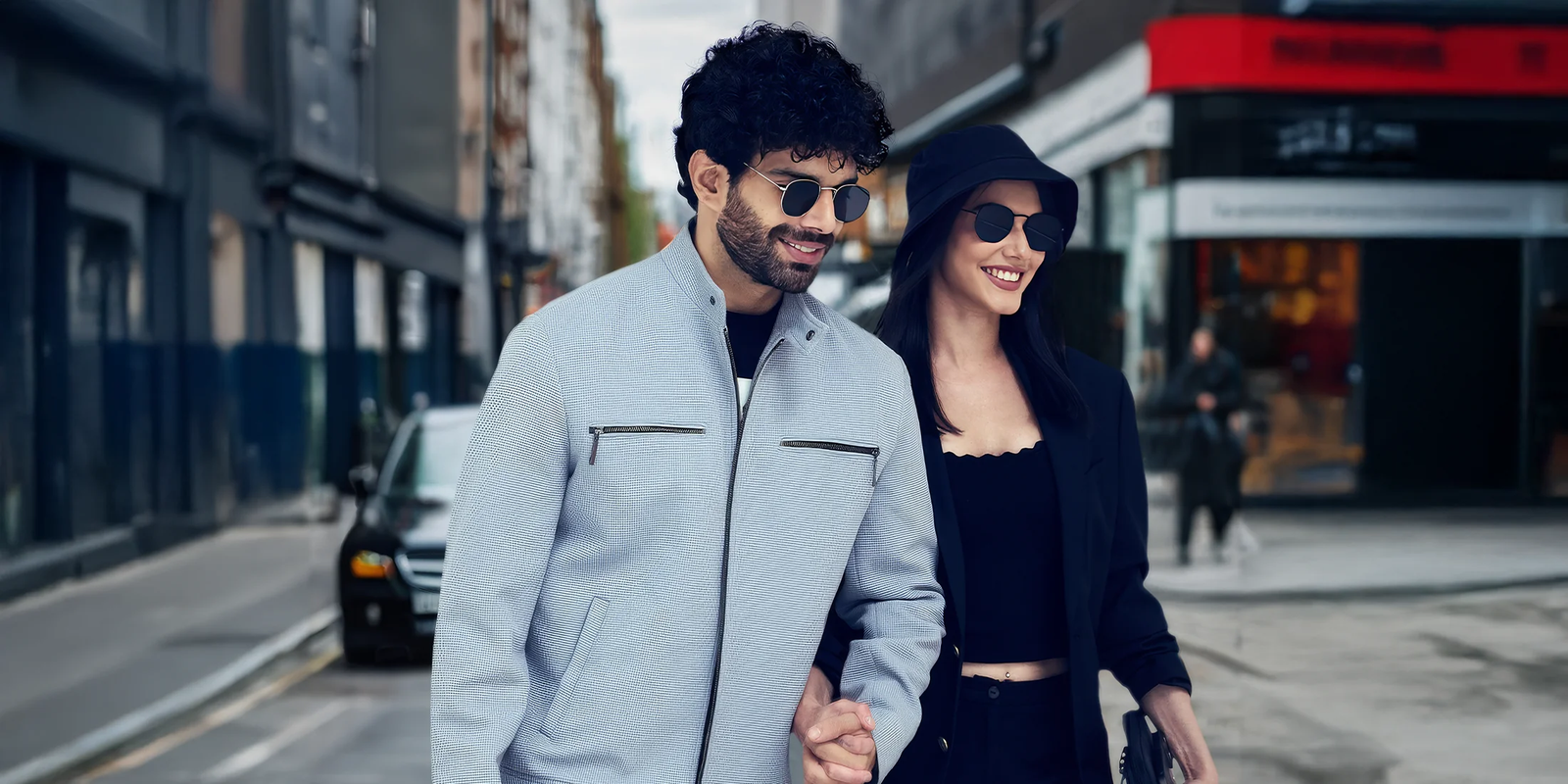
Winter is the perfect season to experiment with layering, cozy fabrics, elegant outerwear, and stylish accessories. With the right clothing essentials, you can create outfits that keep you warm while helping you look fashionable for everyday activities, work, travel, and special occasions. A well-planned winter wardrobe does not need to be expensive or complicated. The key is choosing versatile pieces that work together and suit your personal style.
Whether you prefer classic outfits, modern streetwear, minimalist fashion, or elegant looks, winter offers plenty of opportunities to express yourself. From warm coats and knitwear to comfortable boots and seasonal accessories, every item can play an important role in building a practical wardrobe.
In this guide, we will explore the most important winter fashion essentials, how to style them, and how to create attractive outfits throughout the colder months.
1. A Classic Winter Coat
A winter coat is one of the most important investments you can make for your seasonal wardrobe. It provides warmth, completes your outfit, and can instantly make simple clothing look more polished.
Wool coats are excellent for creating elegant outfits. They pair well with tailored trousers, jeans, sweaters, and formal clothing. A long coat in black, camel, gray, or navy is especially versatile because it can be worn for different occasions.
Puffer jackets are another practical option, particularly when temperatures become very cold. Their insulated construction helps retain body heat, making them suitable for casual outings, commuting, and outdoor activities.
For milder winter weather, a trench coat or lightweight jacket may provide enough coverage without feeling too heavy.
When choosing a coat, consider your local climate, preferred fit, and daily activities. Look for comfortable sleeves, enough room for layering, and a length that works with your usual outfits.
2. Cozy Sweaters and Knitwear
Sweaters are essential winter clothing items because they combine warmth, comfort, and style. They can be worn alone during mild weather or layered beneath coats and jackets when temperatures drop.
Crewneck sweaters are timeless choices that work well with jeans, chinos, and tailored trousers. Turtleneck sweaters offer a more refined appearance and can be paired with wool coats, blazers, and smart trousers.
Oversized knitwear is ideal for relaxed outfits. Combine an oversized sweater with straight-leg jeans and sneakers for a casual look, or wear it with fitted trousers and ankle boots for a balanced silhouette.
Cardigans are also useful because they are easy to put on or remove as temperatures change. They can be styled over T-shirts, shirts, and lightweight tops.
Choose knitwear in versatile colors such as cream, beige, black, charcoal, brown, and navy. A few well-selected sweaters can create numerous combinations without requiring a large wardrobe.
3. Warm and Versatile Winter Boots
The right footwear can improve both the appearance and practicality of a winter outfit. Boots are particularly useful because they can provide extra coverage, support, and protection from cold or wet conditions.
Chelsea boots are a classic option that works with jeans, tailored trousers, and smart-casual clothing. Their clean design makes them suitable for everyday wear and more polished outfits.
Combat boots offer a stronger, more casual appearance. They pair well with straight-leg jeans, cargo pants, oversized sweaters, and leather jackets.
For snowy or rainy environments, choose weather-resistant boots with suitable traction and insulation. Ordinary fashion boots may not provide enough grip or protection in slippery conditions.
Leather or suede boots can look elegant, but their care requirements differ. Leather is generally easier to wipe clean, while suede often needs special brushing and protection.
Select footwear based on your climate and routine. Comfort, fit, and grip should be just as important as appearance.
4. Essential Winter Layers
Layering is one of the most effective ways to stay warm and create interesting winter outfits. Instead of relying on a single heavy garment, combine several layers that work together.
A practical layering system includes three main parts:
- Base layer: A comfortable T-shirt, thermal top, or moisture-wicking garment worn close to the body.
- Middle layer: A sweater, fleece, cardigan, or other insulating piece that helps retain warmth.
- Outer layer: A coat or jacket that protects against wind, rain, or snow.
The best combination depends on the weather and your activity level. Lightweight layers may be sufficient in a mild winter, while freezing temperatures may require thermal clothing and insulated outerwear.
Avoid choosing layers that are so tight they restrict movement or so bulky that your coat no longer fits properly. Breathable fabrics and adjustable layers make it easier to stay comfortable indoors and outdoors.
Layering also creates visual interest. A shirt collar beneath a sweater, for example, adds structure to a simple outfit without requiring additional accessories.
5. Jeans and Tailored Trousers
Trousers are a foundation of any practical winter wardrobe. The right pair can be styled with sweaters, coats, hoodies, and different types of footwear.
Straight-leg jeans are a reliable everyday option because they work with both casual and smart-casual clothing. Dark denim often creates a polished appearance, while lighter washes suit relaxed outfits.
Wide-leg jeans are another option for people who prefer a contemporary silhouette. They pair particularly well with fitted knitwear, cropped jackets, and structured coats.
Tailored trousers are useful for office outfits, dinners, and formal occasions. Combine them with a turtleneck sweater, wool coat, and leather boots for an elegant winter look.
Corduroy trousers can add warmth and texture to casual outfits. Their distinctive fabric works well with knitwear, denim jackets, and simple shirts.
For colder weather, consider heavier fabrics and comfortable fits that allow room for thermal layers when necessary.
6. Stylish Scarves, Beanies, and Gloves
Winter accessories are practical additions that can also improve the appearance of an outfit. Scarves, beanies, and gloves provide extra coverage while introducing new colors and textures.
A wool or knitted scarf can be worn with a coat, puffer jacket, or casual sweater. Neutral colors are easy to coordinate, while burgundy, forest green, or rust can add a seasonal accent.
Beanies are useful for casual winter styling. A simple black, gray, or cream beanie works with most everyday outfits, while a textured knit can make the look more distinctive.
Gloves are important when temperatures become uncomfortable, especially during outdoor travel or commuting. Choose insulated gloves for cold conditions and touchscreen-compatible designs if you regularly use your phone outside.
The key is coordination rather than matching every accessory exactly. Combining complementary colors and textures usually creates a more natural appearance.
7. Turtlenecks and Long-Sleeve Tops
Turtlenecks and long-sleeve tops are versatile winter essentials that work as standalone pieces or layering garments.
A fitted turtleneck can create a sophisticated look when worn beneath a blazer or long wool coat. It pairs well with tailored trousers, dark jeans, and leather boots.
For a casual outfit, choose a cotton long-sleeve shirt and wear it with denim, a cardigan, or a bomber jacket. Thermal tops can provide additional warmth without adding significant bulk.
Neutral shades such as white, black, gray, and beige are especially useful because they coordinate with many other wardrobe pieces.
You can also introduce patterns through striped long-sleeve tops or subtle textured fabrics. These details add personality while keeping the overall outfit easy to style.
8. Winter Jackets for Everyday Style
Although a classic coat is useful, different jackets can help you create a wider range of winter outfits.
Puffer jackets are suitable for colder conditions and casual styling. Pair one with jeans, a hoodie, and sneakers for an easy everyday look.
Bomber jackets offer a sporty appearance and work well with straight-leg trousers, knitwear, and casual boots. Depending on the material and insulation, they are better suited to mild or moderately cold weather than extreme cold.
Denim jackets can also be worn during milder winter days, especially when layered over a hoodie or thick sweater. In colder conditions, they may work better as a middle layer beneath a larger coat.
Leather jackets add structure and a timeless edge to winter outfits. Combine one with a turtleneck, dark denim, and ankle boots for a polished casual appearance.
Choose jackets according to their warmth, material, and intended use rather than focusing only on current trends.
9. The Best Winter Colors and Fabrics
Winter fashion often features deeper colors, neutral shades, and fabrics with noticeable texture. Building your wardrobe around a coordinated palette makes it easier to mix and match clothing.
Popular winter colors include:
- Black: A versatile choice for coats, trousers, boots, and accessories.
- Charcoal gray: Creates a refined look and pairs well with black, cream, and navy.
- Camel and beige: Add warmth and elegance to coats, sweaters, and scarves.
- Burgundy: Provides a rich accent for knitwear and accessories.
- Forest green: Works well with brown, black, and neutral shades.
- Navy blue: Offers a classic alternative to black.
- Cream and ivory: Brighten darker winter outfits and create attractive contrasts.
Fabric selection is equally important. Wool and suitable wool blends are useful for coats and sweaters, while fleece provides a comfortable insulating layer. Cotton knitwear can work well for everyday use, although it may not be sufficient on its own in very cold or wet conditions.
For rainy or snowy weather, water-resistant outerwear can be more useful than a fashionable but unprotected fabric.
10. How to Build a Budget-Friendly Winter Wardrobe
Creating a stylish winter wardrobe does not require purchasing every seasonal trend. A thoughtful selection of essentials can provide plenty of outfit combinations.
Start by checking the clothing you already own. Identify useful pieces such as jeans, sweaters, long-sleeve shirts, and jackets before making a shopping list.
Prioritize versatile items that can be worn in different settings. A neutral winter coat, two or three sweaters, comfortable trousers, and suitable boots can form the foundation of many outfits.
Choose colors that coordinate easily. For example, black trousers, a cream sweater, and a camel coat can be styled together or combined separately with other wardrobe pieces.
Consider buying seasonal items during sales, comparing fabric quality, and checking care instructions before purchasing. Well-maintained clothing can remain useful for several winters.
You can also refresh old outfits with small changes, such as adding a scarf, changing footwear, or layering a shirt beneath a sweater.
The goal is to create a wardrobe that fits your lifestyle, budget, and climate rather than buying clothing simply because it is trending.
Conclusion
Winter fashion essentials make it easier to stay warm, comfortable, and stylish throughout the colder months. Classic coats, cozy sweaters, versatile trousers, reliable boots, and practical accessories provide a strong foundation for almost any winter wardrobe.
Focus on pieces that suit your climate and personal style. Use layering to adjust to changing temperatures, choose complementary colors, and invest in clothing that can be worn on multiple occasions.
You do not need a large collection of clothes to look fashionable. With a few carefully selected essentials and thoughtful combinations, you can create winter outfits for work, casual outings, travel, and special events.
Frequently Asked Questions
What are the most important winter fashion essentials?
The most important essentials include a warm coat, sweaters, long-sleeve tops, comfortable trousers, suitable boots, and accessories such as scarves, beanies, and gloves. Thermal layers may also be necessary in colder climates.
How can I look stylish while staying warm in winter?
Use layers that provide insulation without restricting movement. Combine a comfortable base layer, a sweater or fleece, and a suitable outer jacket. Complete the outfit with weather-appropriate footwear and coordinated accessories.
What colors are best for winter outfits?
Black, charcoal gray, navy, camel, beige, burgundy, forest green, and cream are versatile winter colors. They are easy to coordinate and work well for both casual and formal outfits.
Which winter clothes should I buy first?
Start with a suitable coat or jacket, a few versatile sweaters, trousers or jeans, and weather-appropriate footwear. Add thermal layers and accessories based on your local climate and daily needs.
Can I wear sneakers during winter?
Yes, sneakers can work well during mild, dry winter weather. For rain, snow, or icy surfaces, choose weather-resistant footwear with suitable traction and insulation.
How can I create a winter wardrobe on a budget?
Build around neutral basics, reuse clothing you already own, and buy versatile pieces that work with multiple outfits. Shopping during sales and caring for your clothing can also help reduce long-term costs.