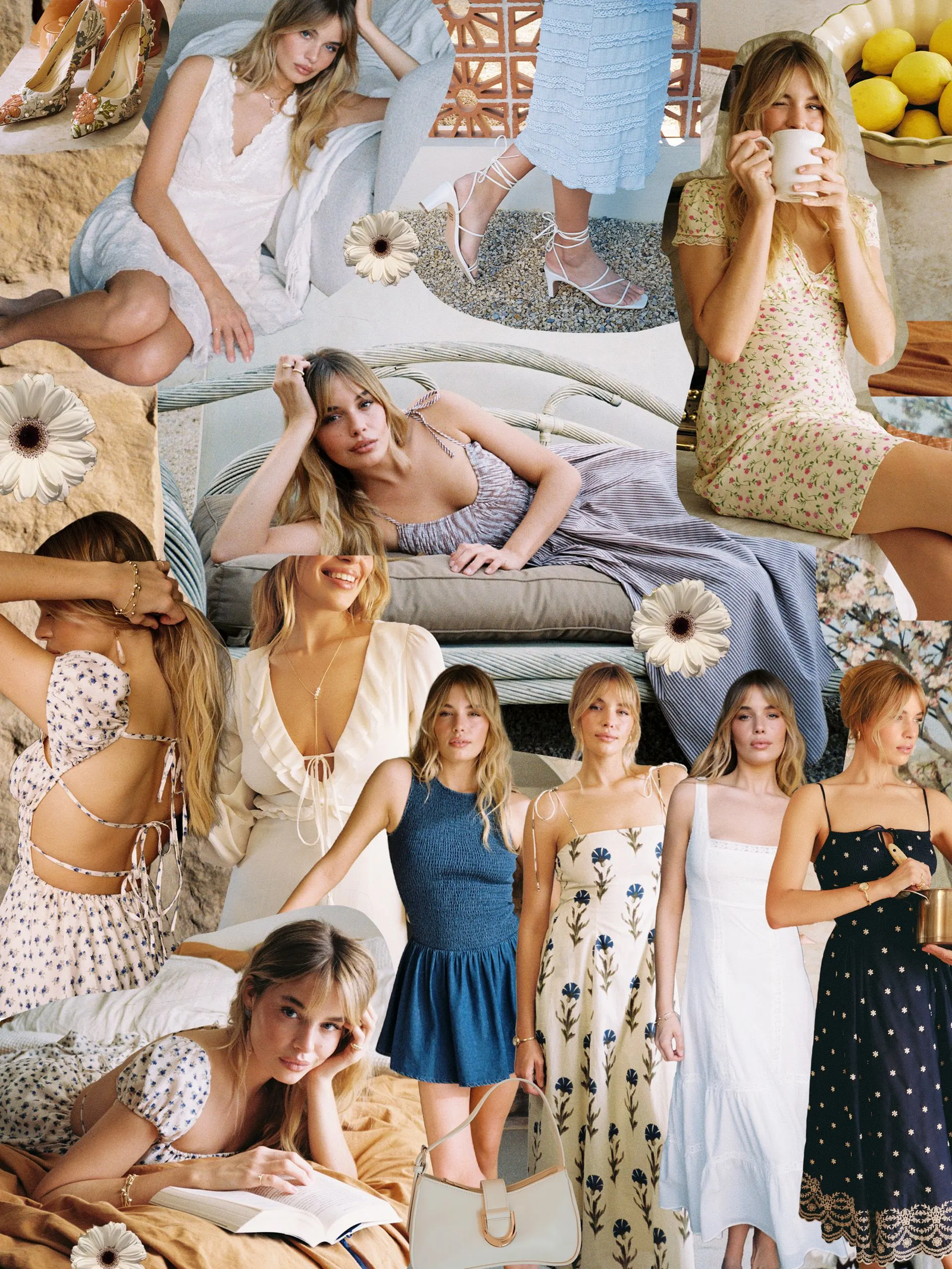
Dressing stylishly throughout the year does not mean buying a completely new wardrobe every few months. The secret is learning how to choose versatile clothing, combine colors, adapt to changing temperatures, and select outfits that suit different occasions. With a few wardrobe essentials and some simple styling techniques, you can look fashionable in spring, summer, fall, and winter.
Every season brings different opportunities to experiment with fashion. Spring is ideal for lightweight layers and fresh colors, summer calls for breathable fabrics, fall allows you to explore cozy textures, and winter makes layering and outerwear especially important.
Whether you prefer casual clothing, classic outfits, streetwear, or elegant fashion, understanding seasonal styling can help you make better wardrobe choices. This guide explains how to dress stylishly for every season while staying comfortable and expressing your personal style.
1. Build a Versatile Wardrobe
A versatile wardrobe is the foundation of great personal style. Instead of filling your closet with items that only match one outfit, choose clothing that can be combined in several ways.
Start with essential pieces such as well-fitting jeans, neutral T-shirts, button-down shirts, tailored trousers, comfortable sneakers, and a versatile jacket. These basics can work across multiple seasons when styled appropriately.
For example, a white T-shirt can be worn with shorts during summer, layered beneath a cardigan in spring, paired with a denim jacket in fall, or used as a base layer beneath a sweater in winter.
Neutral colors such as black, white, gray, navy, beige, and brown make mixing and matching easier. You can then introduce seasonal colors through sweaters, shirts, dresses, scarves, and accessories.
Before purchasing new clothes, consider whether an item works with at least three pieces you already own. This simple approach can help you create more outfits while avoiding unnecessary spending.
2. Dress Stylishly in Spring
Spring is a transitional season when temperatures can change throughout the day. Lightweight layers, comfortable footwear, and fresh colors make it easier to create outfits that feel appropriate for the weather.
A denim jacket is a useful spring essential because it works with jeans, dresses, chinos, and casual trousers. Lightweight cardigans, overshirts, and trench coats are also practical options for cooler mornings and evenings.
For casual outfits, try straight-leg jeans with a basic T-shirt and white sneakers. When you want something more polished, combine tailored trousers with a button-down shirt and loafers.
Spring is also a good time to experiment with lighter shades such as pastel blue, soft pink, sage green, cream, and light beige. These colors can brighten an outfit without making it difficult to coordinate.
Choose breathable fabrics such as cotton and lightweight linen blends when the weather becomes warmer. If rain is common in your area, keep a lightweight waterproof jacket available.
The key to spring fashion is flexibility. Wear layers that are easy to remove or add as the temperature changes.
3. Stay Cool and Fashionable in Summer
Summer fashion focuses on comfort, breathability, and simple styling. Hot weather makes fabric choice particularly important because heavy materials and restrictive clothing can become uncomfortable.
Cotton, linen, and other lightweight breathable fabrics are excellent choices for everyday summer outfits. Loose-fitting clothing can also improve comfort, especially during outdoor activities.
For a casual look, pair a plain T-shirt with tailored shorts and comfortable sneakers. Another option is to wear a lightweight button-down shirt with chinos and loafers.
Women can create stylish summer outfits with lightweight dresses, linen trousers, skirts, or coordinated sets. Comfortable sandals, sneakers, and lightweight handbags can complete these looks.
Color choices can also influence the overall appearance of summer clothing. White, cream, light blue, and beige create a fresh aesthetic, while brighter shades can add personality.
For outdoor activities, consider sun protection as part of your outfit. A breathable hat, sunglasses, and appropriate sunscreen can help protect you from the sun.
Avoid adding unnecessary layers during hot weather. A few well-fitting pieces and simple accessories are often enough to create an attractive summer look.
4. Create Modern Fall Outfits
Fall is one of the most versatile seasons for fashion because it allows you to combine different fabrics, layers, and colors. Sweaters, jackets, boots, and long-sleeve shirts become especially useful as temperatures begin to drop.
A classic fall outfit might include dark jeans, a knitted sweater, ankle boots, and a tailored coat. For a more relaxed appearance, try an oversized hoodie with straight-leg jeans and sneakers.
Women can style midi skirts with knitwear and boots, while men can combine chinos with a crewneck sweater and a casual jacket. These combinations offer comfort while maintaining a polished appearance.
Fall colors often include burgundy, rust, chocolate brown, olive green, camel, and charcoal gray. You do not need to wear all these shades together. A neutral outfit with one seasonal accent color can look just as stylish.
Texture is another important element. Combining denim, wool, corduroy, leather, or knitted fabrics can make an outfit more visually interesting.
Choose layers according to the weather rather than following a fixed formula. A light jacket may be sufficient in a mild climate, while colder conditions may require a heavier coat.
5. Look Stylish During Winter
Winter requires a balance between warmth, comfort, and appearance. The right combination of base layers, knitwear, outerwear, and accessories can help you stay comfortable without sacrificing personal style.
Begin with a suitable base layer, such as a long-sleeve shirt or thermal top. Add a sweater or fleece for insulation, then finish with a coat or insulated jacket suited to your climate.
Wool coats work particularly well for smart-casual and formal outfits. Puffer jackets are practical for colder conditions, while leather and bomber jackets can be useful in milder winter weather.
For an everyday outfit, combine dark jeans, a turtleneck sweater, a warm coat, and ankle boots. If you prefer streetwear, try a hoodie, relaxed trousers, a puffer jacket, and sneakers suitable for the conditions.
Winter accessories, including scarves, beanies, and gloves, provide extra warmth and introduce color or texture.
Pay attention to fabric quality and fit. Your layers should provide enough room for movement without becoming excessively bulky. In wet or snowy conditions, choose outerwear and footwear designed for weather protection.
6. Choose the Right Colors for Each Season
Color coordination can make even a simple outfit look intentional. Although you can wear any color throughout the year, certain palettes are commonly associated with different seasons.
Here are some useful seasonal color ideas:
- Spring: Pastel pink, sage green, light blue, cream, and soft yellow.
- Summer: White, beige, sky blue, coral, and other light or vibrant shades.
- Fall: Burgundy, rust, olive green, camel, and chocolate brown.
- Winter: Black, charcoal gray, navy, forest green, and deep burgundy.
These are styling suggestions rather than strict rules. Your preferred colors, skin undertone, and personal taste should influence your choices.
A simple way to coordinate an outfit is to choose two neutral shades and one accent color. For example, navy trousers and a white shirt can be paired with a burgundy jacket or accessory.
You can also create a monochromatic outfit by wearing different shades of the same color. A combination of beige trousers, a cream sweater, and a camel coat creates a coordinated look through subtle variations in tone.
7. Wear Fabrics That Match the Weather
Fabric selection is an important part of dressing stylishly because different materials provide different levels of warmth, breathability, and protection.
Cotton is a versatile option for T-shirts, shirts, and everyday clothing. Linen is especially useful in hot weather because lightweight linen garments allow air to circulate comfortably.
Wool and suitable wool blends are valuable for sweaters, coats, and cold-weather accessories. Fleece can provide additional insulation for casual outfits and outdoor activities.
Denim works throughout the year, although heavier denim may feel less comfortable during hot weather. Lightweight trousers and breathable shirts are generally more practical in summer.
For rainy conditions, water-resistant jackets and suitable footwear can help keep you comfortable. In colder climates, insulated and weather-resistant materials may be more useful than lightweight fashion pieces.
Always consider your local weather and daily activities. The most stylish outfit is one that looks good while allowing you to remain comfortable.
8. Master the Art of Layering
Layering allows you to adjust your outfit to changing temperatures while adding depth and style. It is especially useful during spring, fall, and winter.
Start with a base layer, such as a T-shirt or lightweight shirt. Add a middle layer, such as a cardigan, sweater, or overshirt. Finish with an outer layer that suits the weather.
For example, a white T-shirt, open flannel shirt, and denim jacket create a relaxed layered look. For a more formal outfit, a fine-knit sweater beneath a tailored coat can look sophisticated without being overly complicated.
Pay attention to proportions. If you wear an oversized jacket, a more fitted base layer can create balance. If you choose wide-leg trousers, a tucked-in shirt can help define the silhouette.
Avoid layering too many heavy fabrics at once. Lightweight pieces are easier to combine and can be removed when you move into a warmer indoor environment.
Layering should improve both comfort and appearance. Choose combinations that suit your body, preferred style, and the temperature outside.
9. Select Shoes and Accessories for Every Season
Shoes and accessories can change the appearance of an outfit without requiring an entirely new wardrobe.
During spring, sneakers, loafers, and lightweight ankle boots can work well with jeans, trousers, and dresses. Summer outfits often pair naturally with breathable sneakers, sandals, and other comfortable warm-weather footwear.
In fall, Chelsea boots, leather sneakers, and ankle boots provide versatile options. Winter may require insulated boots with suitable traction, particularly in icy or snowy conditions.
Accessories also offer opportunities to introduce personality. Sunglasses and lightweight hats are useful in summer, while scarves, beanies, and gloves become more practical during colder months.
Belts, watches, handbags, and simple jewelry can complement outfits throughout the year. Choose accessories based on the occasion and overall look rather than adding too many items at once.
Footwear should always suit the conditions. Fashionable shoes are less useful if they are uncomfortable or inappropriate for the weather.
10. Dress for Different Occasions
Dressing stylishly means choosing outfits that suit both the season and the occasion. Clothing that works for a casual weekend may not be appropriate for a professional meeting or formal event.
For everyday activities, jeans, basic tops, comfortable shoes, and lightweight outerwear provide a reliable starting point. For office settings, tailored trousers, button-down shirts, knitwear, and structured jackets create a more polished appearance.
For special occasions, consider dresses, coordinated separates, or well-fitted suits. Adapt the fabrics and outerwear to the weather so you remain comfortable throughout the event.
Travel outfits should prioritize comfort and versatility. Choose clothing that is easy to layer and shoes suitable for walking. A neutral color palette can also make it easier to create multiple outfits from a small suitcase.
When attending an event, consider the dress code, location, and expected temperature. Appropriate clothing helps you feel confident while ensuring your outfit suits the setting.
11. Build a Budget-Friendly Year-Round Wardrobe
Looking fashionable throughout the year does not require constantly buying new clothing. A thoughtful wardrobe plan can help you make better use of your budget.
Start by identifying gaps in your existing collection. You may need a versatile jacket, comfortable everyday shoes, or a few basic tops rather than an entirely new set of seasonal clothes.
Invest in frequently worn essentials that are comfortable and durable. Save trend-focused purchases for items you genuinely enjoy and can style with your existing wardrobe.
Store seasonal clothing properly when it is not in use. Clean garments according to their care labels, protect delicate fabrics, and keep shoes in good condition.
You can also create a simple outfit plan for each season. Identify combinations for work, casual activities, travel, and special occasions so you know what you can wear without making unnecessary purchases.
The goal is not to own the most clothing. It is to have useful pieces that fit well, coordinate easily, and support your lifestyle.
Conclusion
Learning how to dress stylishly for every season begins with understanding your wardrobe, local climate, and personal preferences. Spring calls for flexible layers and fresh colors, summer benefits from breathable fabrics, fall encourages rich tones and textured clothing, and winter requires effective layering and warm outerwear.
Build your wardrobe around versatile essentials, choose colors that work together, and select fabrics suited to the weather. Complete your outfits with practical footwear and accessories that reflect your style.
Most importantly, do not feel pressured to follow every fashion trend. Focus on clothing that fits comfortably, suits your daily activities, and makes you feel confident. With a little planning, you can create stylish outfits for every season without overspending.
Frequently Asked Questions
How can I dress stylishly in every season?
Build a versatile wardrobe with essential tops, trousers, comfortable shoes, and suitable outerwear. Adapt your fabrics, colors, and layers to the weather while choosing clothing that reflects your personal style.
What clothes can I wear throughout the year?
Jeans, basic T-shirts, button-down shirts, neutral trousers, sneakers, and lightweight layers can be useful throughout the year. You can adapt them by adding or removing seasonal clothing.
How can I look fashionable without spending too much?
Focus on versatile wardrobe essentials, coordinate colors, reuse clothing in different combinations, and purchase new pieces only when they serve a clear purpose. Proper garment care can also extend the life of your wardrobe.
What colors should I wear in each season?
Pastels and fresh shades are popular in spring, light neutrals and vibrant colors work well in summer, earthy tones suit fall, and deeper shades are common in winter. However, any color can work in any season when styled appropriately.
Why is layering important in seasonal fashion?
Layering helps you adjust to changing temperatures while adding texture and dimension to an outfit. It is particularly useful during transitional weather and cold months.
How do I choose the right outfit for different occasions?
Consider the event, dress code, weather, and activities involved. Casual outings call for comfortable clothing, professional settings benefit from structured pieces, and formal events may require dresses, suits, or elegant coordinated outfits.