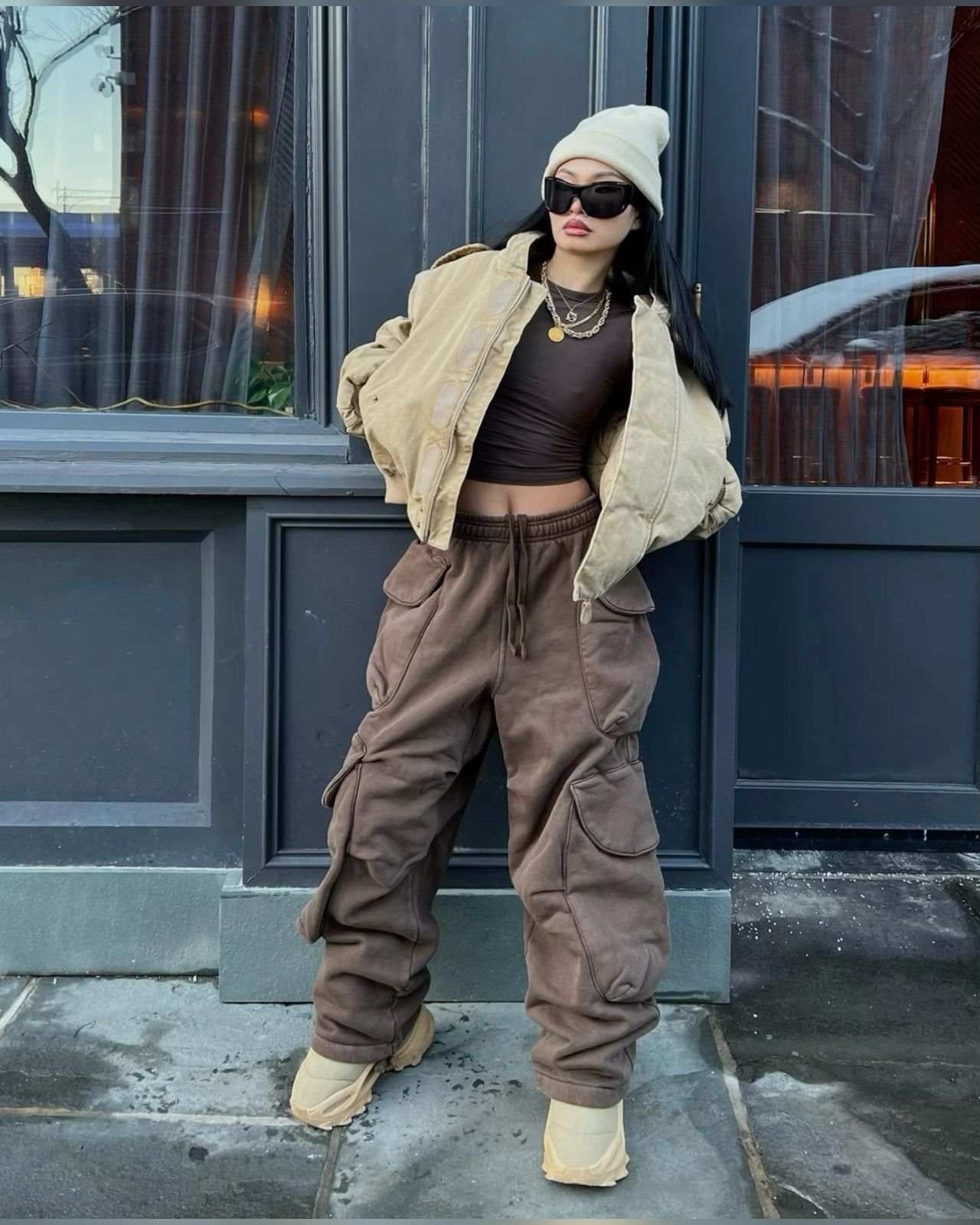
Introduction
Streetwear fashion has become one of the most popular styles for people who want to look modern, confident, and comfortable. Inspired by skateboarding, hip-hop culture, sportswear, and urban fashion, streetwear combines everyday clothing with unique designs and personal expression. The best part is that you do not need an expensive wardrobe to create a stylish look.
Learning how to build the perfect streetwear outfit starts with choosing the right clothes, balancing proportions, selecting complementary colors, and adding accessories that match your personality. Whether you prefer oversized T-shirts, baggy jeans, classic sneakers, or minimalist outfits, a few simple styling techniques can help you create a fashionable appearance.
In this guide, you will discover how to build the perfect streetwear outfit, choose essential wardrobe pieces, coordinate colors, and avoid common styling mistakes.
1. Start With Essential Streetwear Clothing
Every great streetwear outfit begins with a few versatile wardrobe essentials. These pieces are easy to combine and can be styled in different ways throughout the year.
Some of the most useful streetwear basics include:
- Oversized T-shirts: Comfortable and easy to pair with jeans, cargo pants, and shorts.
- Hoodies and sweatshirts: Ideal for layering and creating relaxed outfits.
- Baggy jeans: Add a casual silhouette and work well with many sneaker styles.
- Cargo pants: Provide a practical, utility-inspired appearance.
- Lightweight jackets: Bomber jackets, denim jackets, and windbreakers add structure.
- Classic sneakers: Complete the outfit and help establish your preferred aesthetic.
When building your wardrobe, focus on clothing that fits comfortably and complements your existing pieces. Neutral colors such as black, white, grey, beige, and olive are particularly useful because they are easy to coordinate.
You can introduce statement pieces later as your personal style develops.
2. Choose the Right Fit and Proportions
Fit is one of the most important elements of streetwear fashion. Even affordable clothing can look stylish when the proportions are balanced.
Oversized clothing remains a popular choice, but wearing every piece in an extremely loose fit can make an outfit appear shapeless. Instead, consider how each item works with the rest of your clothing.
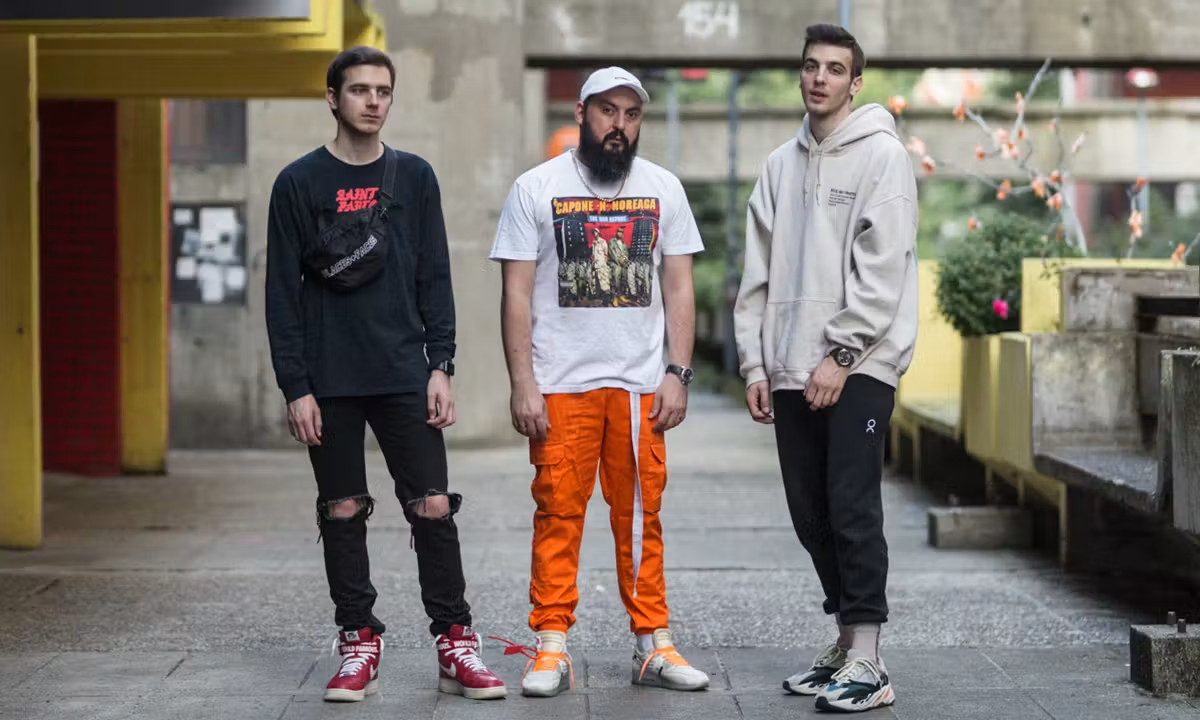
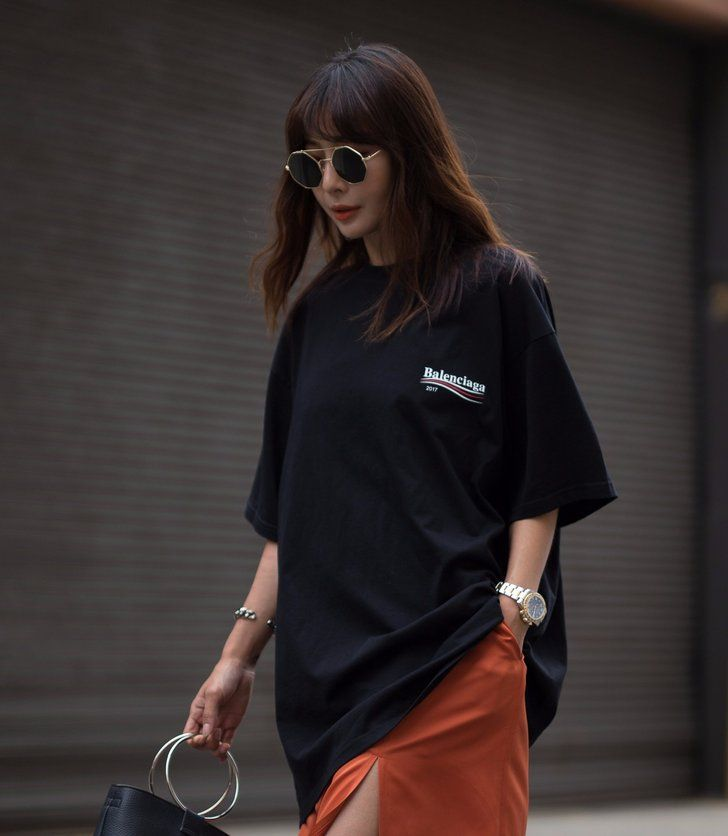
For example, an oversized T-shirt paired with relaxed straight-leg jeans creates a classic streetwear combination. A fitted top with wide-leg trousers offers a different silhouette while maintaining a modern appearance.
You can also experiment with cropped jackets over longer shirts to create visual contrast. The goal is to make the outfit look intentional rather than randomly assembled.
Pay attention to sleeve length, shoulder placement, trouser length, and the way your clothes sit around your shoes. These small details can make a noticeable difference.
3. Select Colors That Work Together
Color coordination helps transform individual clothing pieces into a complete outfit. If you are new to streetwear, starting with neutral colors is an easy way to develop confidence.
A black T-shirt, grey cargo pants, and white sneakers create a simple combination that works for everyday activities. Similarly, beige trousers paired with a white shirt and brown jacket offer a clean, understated appearance.
Once you are comfortable with neutral outfits, experiment with brighter colors or graphic designs.
Here are a few combinations to try:
- Black, white, and grey for a minimalist look.
- Beige, cream, and brown for an earthy aesthetic.
- Navy, white, and light denim for a classic casual outfit.
- Olive, black, and charcoal for a utility-inspired style.
- Neutral clothing with one bright accent for a bold appearance.
Avoid adding too many competing colors and patterns at once. Choosing one standout color or graphic can make your outfit look more coordinated.
4. Find Sneakers That Match Your Outfit
Sneakers are a central part of streetwear fashion. The right pair can complement your clothing, establish a particular aesthetic, and make even a basic outfit look more complete.
Classic low-top sneakers are versatile enough for jeans, shorts, and casual trousers. Retro running shoes create a sporty appearance, while skate-inspired sneakers work particularly well with baggy denim and graphic T-shirts.
Chunkier sneakers can balance wider trousers, whereas slimmer shoes may suit more streamlined outfits.
When choosing footwear, consider both appearance and comfort. If you walk frequently, prioritize proper fit and support rather than selecting shoes based on appearance alone.
You should also keep your sneakers clean and in good condition. Regular cleaning and appropriate storage help preserve their appearance and extend their useful life.
You do not need multiple expensive pairs to build a strong streetwear wardrobe. One or two versatile pairs can work with many different outfits.
5. Use Layers to Add Depth
Layering is an effective way to make streetwear outfits more interesting. It adds texture, creates contrast, and allows you to adapt your clothing to changing weather.
A simple layering combination might include an oversized T-shirt, an open flannel shirt, relaxed jeans, and sneakers. During cooler weather, you could replace the flannel with a hoodie and a bomber jacket.
Other useful layering pieces include denim jackets, lightweight windbreakers, overshirts, and varsity jackets.
To create a balanced appearance, pay attention to the length and thickness of each layer. A lightweight shirt under a structured jacket can create a clean silhouette, while combining several bulky garments may feel uncomfortable.
Layering should also be practical. In warm weather, lightweight and breathable fabrics are usually more comfortable than heavy sweatshirts or thick jackets.
Choose layers that can be removed easily so you remain comfortable throughout the day.
6. Add Accessories Without Overdoing It
Accessories give streetwear outfits a personal touch. They can introduce color, provide practical benefits, and make simple clothing feel more distinctive.
Popular streetwear accessories include baseball caps, beanies, crossbody bags, backpacks, sunglasses, watches, and understated jewelry.
For a relaxed everyday outfit, you might combine a plain T-shirt, baggy jeans, sneakers, and a baseball cap. A crossbody bag can add functionality while reinforcing the urban aesthetic.
If your outfit already includes bold graphics, colorful sneakers, or a statement jacket, consider keeping your accessories simple. Minimal accessories can help maintain a clean appearance.
You should also think about the occasion. Sunglasses and caps may suit outdoor activities, while a compact bag can be useful for carrying everyday essentials.
The best accessories complement your clothing rather than compete with it.
7. Experiment With Different Streetwear Styles
Streetwear is not limited to one particular look. You can explore different aesthetics and choose the ones that suit your personality, budget, and lifestyle.
Minimalist streetwear
This style focuses on clean designs, neutral colors, simple sneakers, and understated branding. It is a good choice if you prefer versatile outfits that work in different settings.
Vintage streetwear
Vintage-inspired outfits use faded denim, retro graphic T-shirts, varsity jackets, and classic sneakers. Secondhand clothing can help you achieve this look without spending too much.
Sporty streetwear
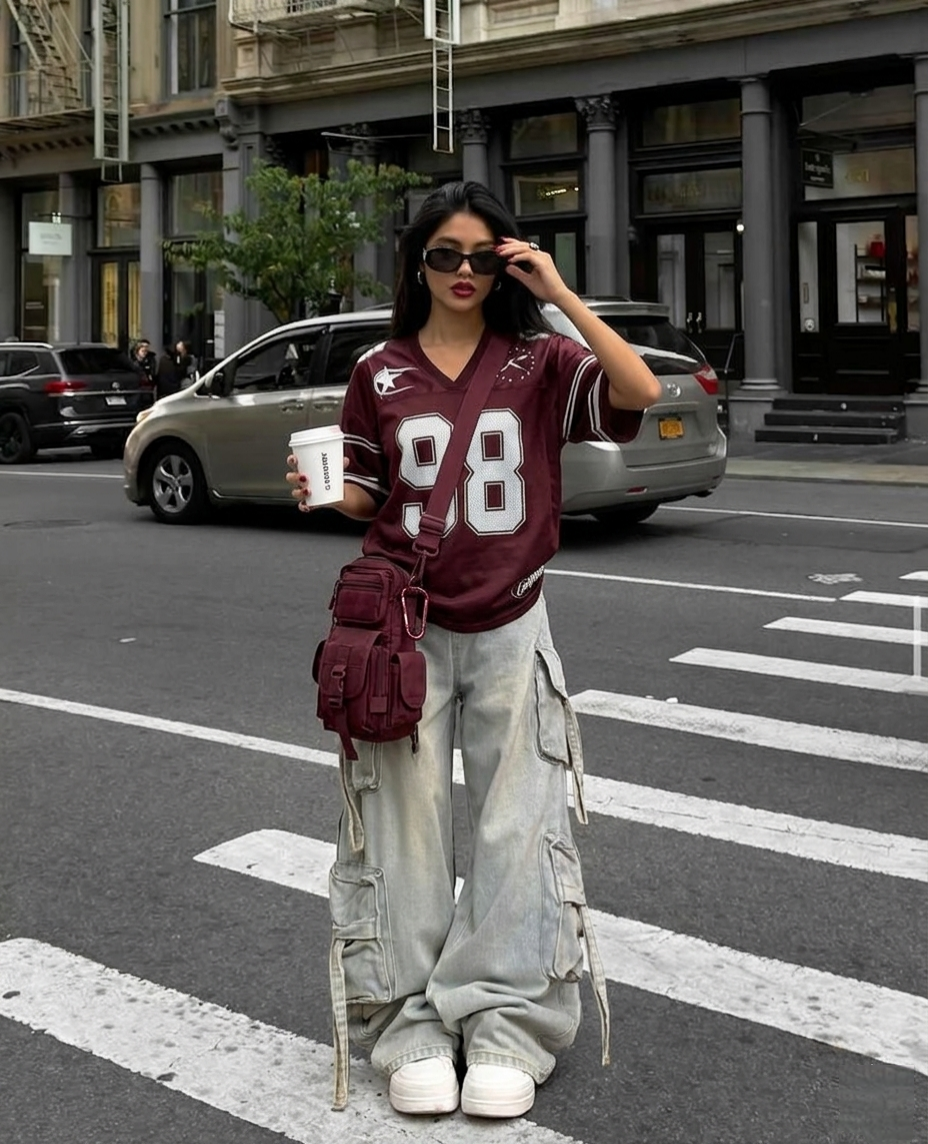
Track pants, athletic jackets, oversized jerseys, and running sneakers create a comfortable, sports-inspired appearance.
Techwear-inspired streetwear
Cargo trousers, utility jackets, functional bags, and technical fabrics create a modern, practical aesthetic. Dark colors and functional details are common choices.
Skate-inspired streetwear
Loose jeans, graphic T-shirts, hoodies, and durable skate shoes create a relaxed look influenced by skateboarding culture.
You can also combine elements from different styles. For example, pairing minimalist clothing with retro sneakers creates a simple outfit with a distinctive detail.
8. Dress for the Season and Occasion
A perfect streetwear outfit should look good while remaining appropriate for the weather and activity.
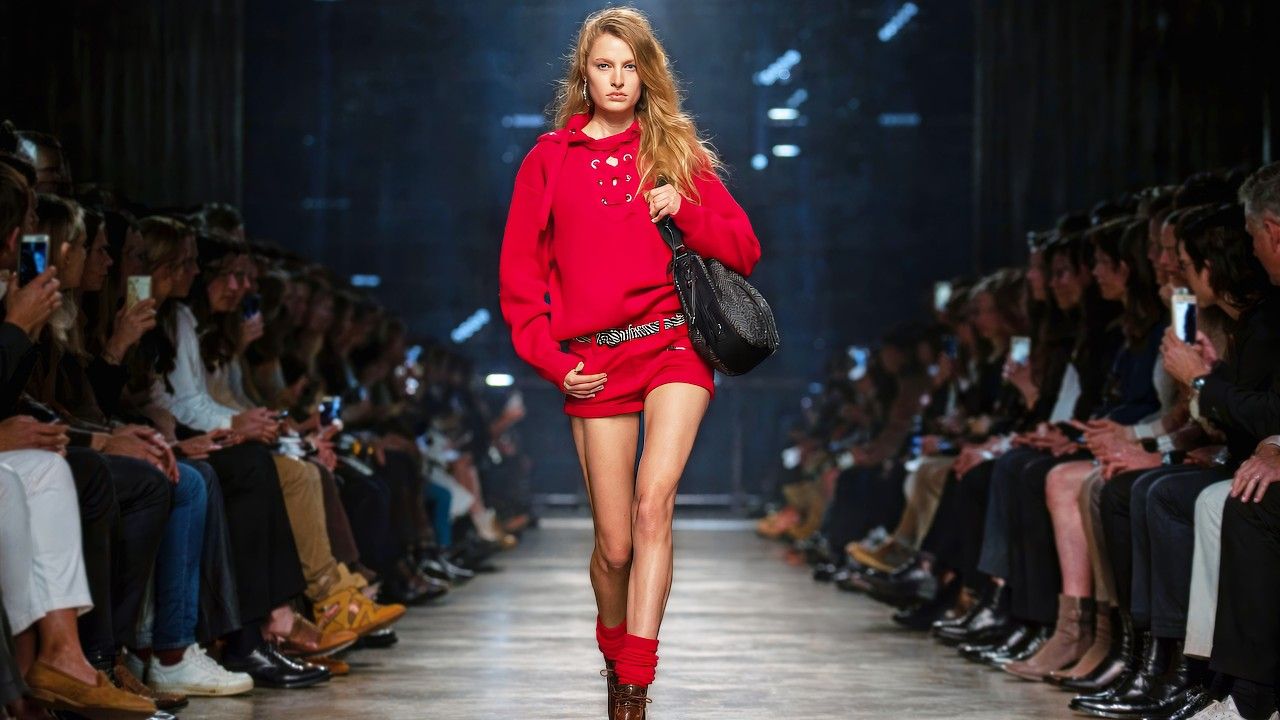
During summer, lightweight cotton T-shirts, breathable shorts, relaxed trousers, and low-profile sneakers can help you stay comfortable. Choose lighter colors if you prefer a brighter seasonal appearance.
In winter, hoodies, heavier denim, insulated jackets, and layered clothing provide additional warmth. Beanies and practical outerwear can also complement the overall outfit.
For casual outings, you can experiment with graphic shirts, baggy jeans, and statement sneakers. For a more polished setting, consider clean trousers, a plain T-shirt, a structured jacket, and simple footwear.
Always consider the environment before choosing an outfit. Comfortable fabrics and practical layers are just as important as visual appeal.
9. Build Streetwear Outfits on a Budget
You do not need designer brands to dress well. A carefully selected collection of affordable essentials can provide more outfit combinations than a wardrobe filled with expensive pieces that do not work together.
Start by purchasing versatile basics that you can wear regularly. A plain T-shirt, neutral hoodie, comfortable jeans, cargo pants, and classic sneakers create a useful foundation.
Look for discounts, secondhand clothing, and quality items from affordable brands. Before purchasing anything new, consider whether it will work with at least two or three pieces you already own.
Avoid spending money simply because a particular item is trending on social media. Choose clothing that suits your style, fits properly, and offers reasonable durability.
Taking care of your clothes also helps your budget. Follow washing instructions, repair minor damage when possible, and store shoes properly.
10. Avoid Common Streetwear Styling Mistakes
Even good clothing choices can become less effective when an outfit lacks balance. Avoiding a few common mistakes can help you improve your overall appearance.
First, do not assume that wearing more oversized clothing automatically creates a better streetwear look. Pay attention to proportions and choose pieces that work together.
Second, avoid combining too many bold graphics, bright colors, and statement accessories in a single outfit. Select a main feature and let the other pieces complement it.
Third, do not overlook footwear. Dirty or poorly maintained sneakers can distract from an otherwise well-coordinated outfit.
Finally, avoid purchasing every new trend. Fashion should help you express yourself rather than force you to follow a particular look.
Confidence, comfort, and consistency are more valuable than wearing expensive labels.
Conclusion
Building the perfect streetwear outfit is about combining comfortable clothing, balanced proportions, complementary colors, and carefully chosen accessories. You can start with essential pieces such as oversized T-shirts, baggy jeans, hoodies, cargo pants, and versatile sneakers.
From there, experiment with layering, vintage designs, minimalist combinations, and sporty details until you discover what works best for you.
Remember that streetwear is a form of personal expression. You do not need an expensive wardrobe or a collection of designer brands to create an impressive look. Focus on fit, quality, comfort, and individuality, and you can build stylish streetwear outfits for almost any casual occasion.
Frequently Asked Questions
What do I need to build a streetwear outfit?
Start with an oversized T-shirt, relaxed jeans or cargo pants, comfortable sneakers, and a versatile jacket or hoodie. Add accessories according to your personal style.
How can I make a streetwear outfit look expensive?
Choose well-fitting clothes, coordinate colors, maintain your footwear, and focus on fabric quality. Clean, simple combinations often look more polished than outfits with too many competing details.
Can I wear streetwear every day?
Yes. Streetwear includes comfortable everyday clothing such as T-shirts, jeans, hoodies, sneakers, and lightweight jackets. Choose pieces suitable for your activities and local weather.
What are the best colors for streetwear beginners?
Black, white, grey, beige, navy, and olive are excellent starting points because they combine easily and work across different seasons.
Are accessories necessary for streetwear?
No. Accessories are optional, but items such as caps, watches, bags, and sunglasses can add personality and functionality to a simple outfit.